AI Hologram Avatars: How a Talking 3D Character Is Built
From scenario and approved data to voice, languages and installation: how we build a hologram character that talks to visitors in the UAE, and what you prepare.
When people see a holographic character greet them and answer their questions in the language they speak, they assume the hard part is the hardware.
It isn't. The Holobox is the easy part. What makes a character convincing, or embarrassing, is everything built before it: the scenario, the data, the voice and the testing.
We have built AI characters for government entities and charities across the UAE. This is the sequence we go through every time, and what we need from you at each step.
1. Scenario before character
The first question has nothing to do with how the character looks.
What is the one job it has to do with a visitor? A character that "talks about everything" usually ends up helping no one.
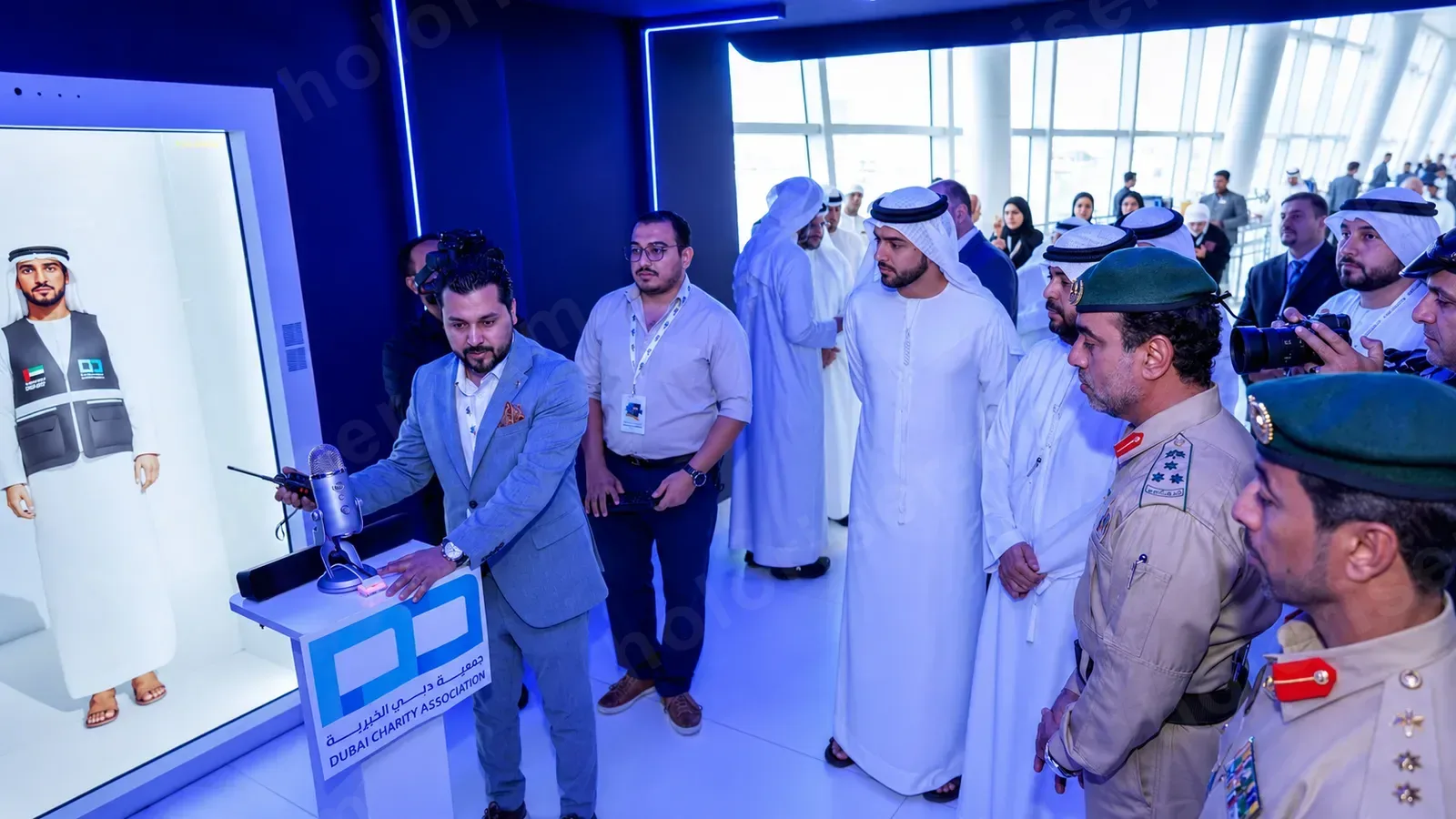
In our projects the job was always clear. Ahmed answers visitors' questions about Dubai Charity Association.
Hareb welcomes donors at the UAE Red Crescent, explains the donation channels, walks them through payment and thanks them. Dubai Police's virtual policewoman runs an awareness quiz and shows a score at the end.
That is three different scenarios: questions and answers, a guided journey and an interactive game. Each is built differently.
What you prepare: one sentence describing what a visitor should leave with after two minutes with the character.
2. Approved data: what it says and what it won't
This is the step that separates an assistant you can trust from one that improvises. We build characters on a retrieval (RAG) system.
Before answering, the character searches sources your organisation approves, instead of answering from general knowledge. That is how Ahmed works: he answers from approved data only.
What the character won't say matters as much as what it will. We agree in advance which questions get handed to a member of staff, which topics it politely declines, and the wording it uses when it doesn't know.
Some clients want to approve every question themselves. For Fujairah Digital Government at GITEX 2025 we built an admin interface their team used to approve questions before they reached the public.
What you prepare: official sources (service guides, FAQs, policies), a list of off-limits topics, and one person with authority to sign off.
3. The character: filmed or designed in 3D?
There are three routes:
- A designed Emirati character with realistic features: like Ahmed, or Mozzah for Fujairah Environment Authority.
Flexible in movement and expression, and not tied to a real person.
- A virtual version of a real person: as we did for SHRM MENA 25 with a 3D character of Khalid Al-Harbi, or the Fujairah Digital Government host built from footage of one of the entity's own staff. Strongest when the person's presence is part of the message.
- An existing mascot brought into 3D: a good fit for awareness campaigns and children.
Clothing, features and dialect are identity decisions, not technical details. The virtual policeman we built is a realistic Emirati officer because trust is part of the service.
What you prepare: brand guidelines, and consent from the real person if the character is based on one.
4. Voice and languages
Arabic and English are the baseline, but the audience decides the rest. Ahmed also speaks Hindi because part of the association's visitors need it. Khalid, the assistant we built for the Ministry of Justice in Abu Dhabi to explain workers' rights, speaks four languages. The project won first place at the UAE Hackathon at TDRA.
The venue affects the voice as much as the language does. A busy exhibition hall needs a directional microphone and a clear spot for the visitor to stand. A quiet service-centre lobby allows a longer, more natural conversation.
What you prepare: the languages your visitors actually speak, not the ones that are possible, and a description of how noisy the space is.
5. Connecting to your systems
Most characters need nothing beyond the knowledge base. Some become far more useful when connected to the organisation's systems. Khalid connects workers to reporting and police systems instead of only explaining their rights. The interactive virtual policeman pulls data from custom back-end systems during the conversation. Integration adds a lot of value, but it also adds security requirements and approvals. We decide on it early, not in the final week.
6. Testing with real questions
The project team's questions are polite and predictable. Visitors' questions aren't: half sentences, mixed dialects, children testing the limits, and questions that have nothing to do with the topic. So we test the character with a list of questions collected from the front-desk staff themselves, because they know what people really ask.
7. Installation and running
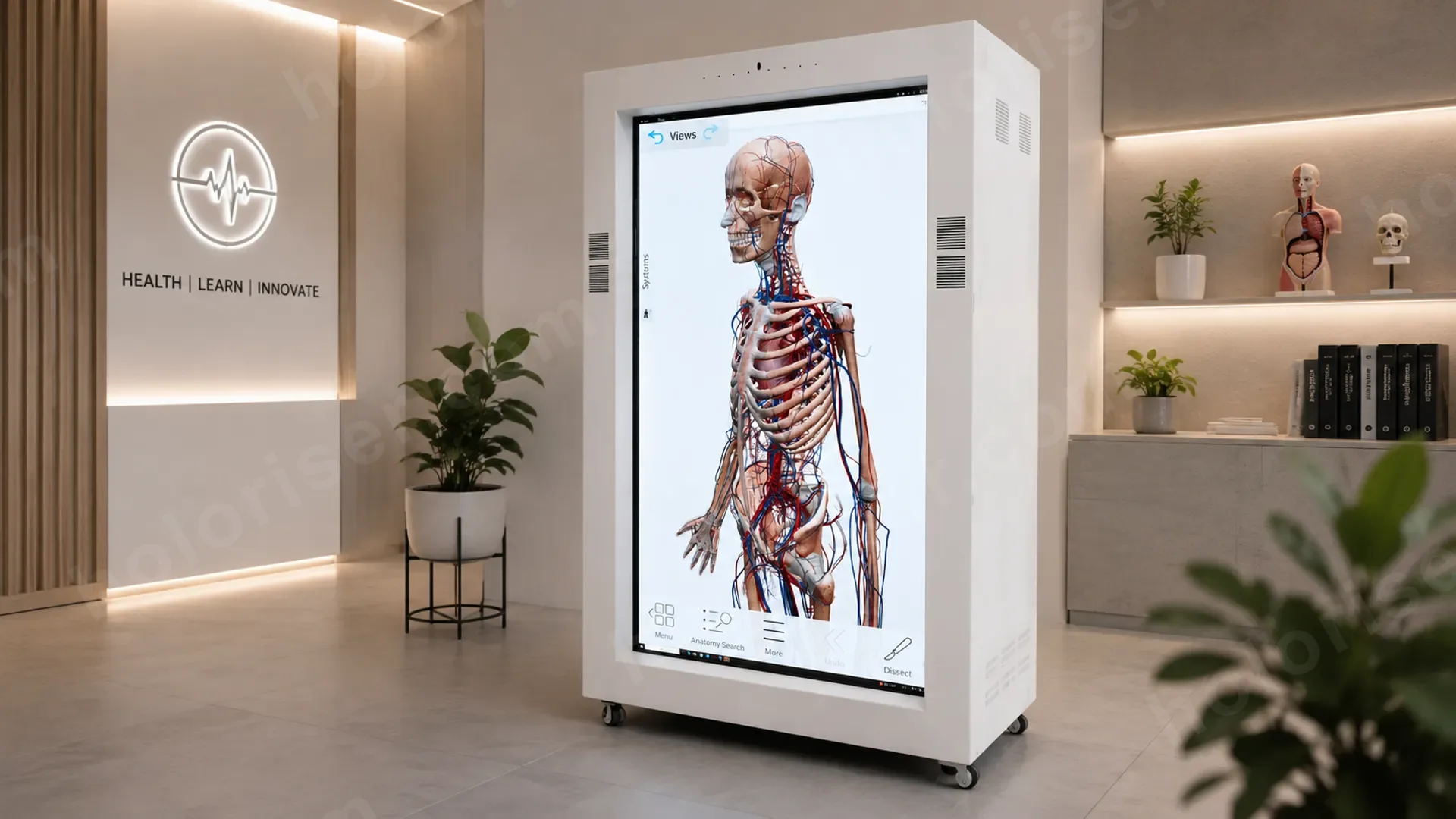
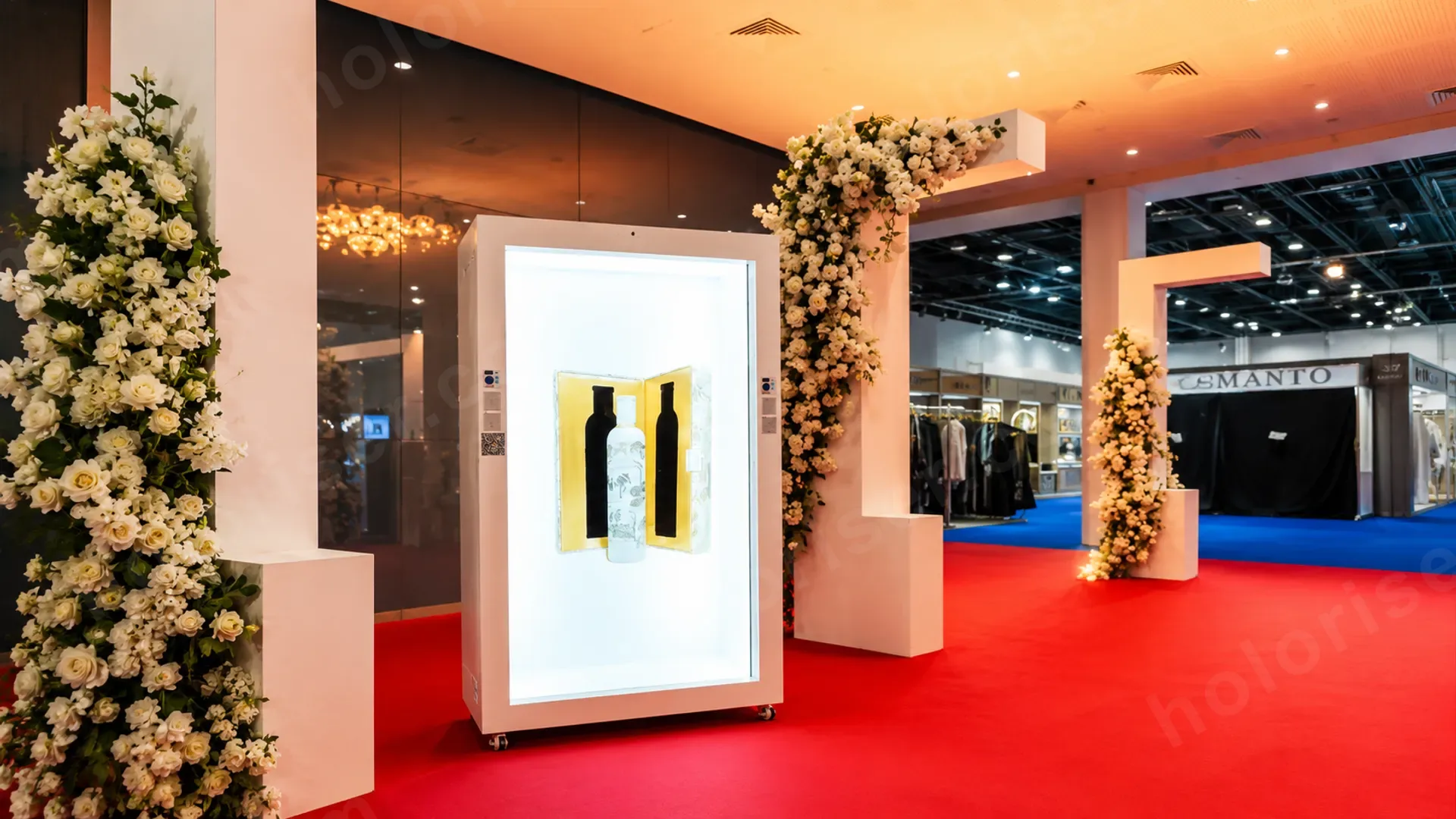
The character appears at life size on a Holobox, usually 75" or 86", in a lobby, service centre or stand. Because a Holobox doesn't need a dark room, it is the most common hologram format in Dubai and across the UAE. It can run permanently or be rented for a single event. Keeping the data up to date after launch is part of running it, because services and questions change.
The takeaway
The best character isn't the most realistic-looking one. It is the one with the clearest job, the tightest data, and the most testing with real people. The look gets a visitor's attention in the first second. The right answer is what keeps them there.
Learn more about our AI hologram assistant service, or see our hologram solutions in Dubai and the full set of case studies. If you have a character in mind, send us the job, the audience and the venue, and we will arrange a live demo of a character talking in front of you.